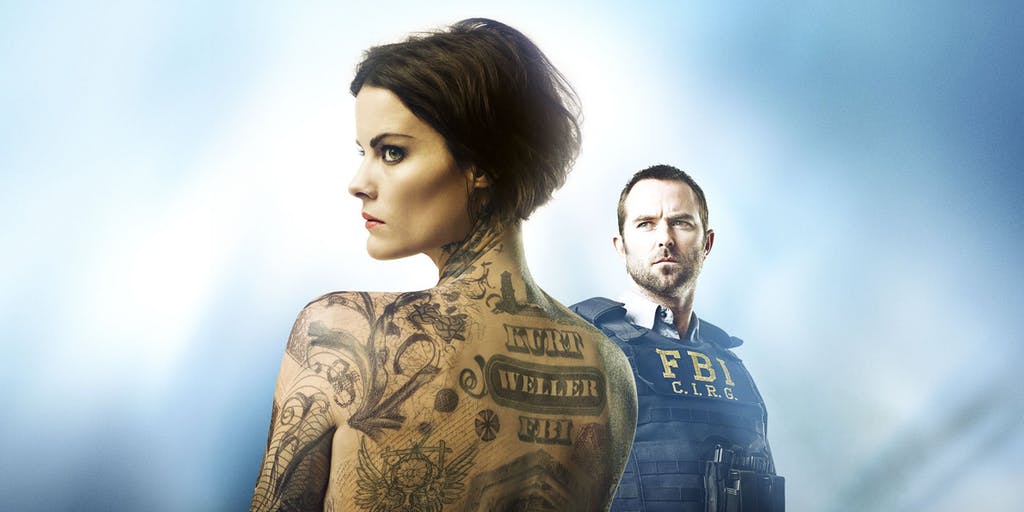
 One of my favorite shows from a few years back is one called Blindspot. It’s a somewhat ridiculous story with a premise that involves a woman with a body full of tattoos who was left unconscious in a body bag in the middle of Times Square. The police turn the woman over to the FBI who quickly discover that the woman is an ex-SEAL who was part of a secretive doomsday cult and that the tattoos all involve a secret conspiracy to, oh I don’t exactly remember, but it was pretty cataclysmic. The FBI task force that is chosen to work with her are all experts in their field, including a hotshot “the rules only apply to everyone but me” agent lead, a former CIA agent with milky ties to the agency still, a green FBI agent who may or may not have committed felonies to protect his brother, a nerdy tech wizard female who creates computer code in every language known to the computer industry, can pinpoint every source of dust from any location on the globe, plus all sorts of other tech wizardry that MIT would bow down to as far superior than anything that comes from their research labs, and then there’s the leadership that is changed daily as each new leader is discovered to be secretly plotting to steal the world’s cottage cheese (or whatever dastardly plot a particular tattoo highlighted that week). Anyway, in the first two seasons, it was a romp through tons of mysterious ridiculousness until we passed the “will they/won’t they” stage of the two main characters’ arc of romance to where they finally married.
Which brings us to Season 3. I originally dvr’d the third season, but started late because I didn’t subscribe to the cable service to dvr stuff until the fifth episode aired. So, I had it set to start recording from Episode 6 on, which is okay because these seasons have about twenty episodes to them. But it’s a show you don’t want to start in the middle of a season, so I waited until I could buy the first five episodes on iTunes, and then started to watch it.
I watched the first two episodes, and boy, were they doozies. And by “doozies”, I mean absolutely ridiculous in all ways. First, here’s where the story took us:
- The male and female heroes are now married. They have a great romance until evil stormtroopers break into their house and shoot it up, but are quickly subdued by the hero team who were originally unarmed but get weapons from the bad guys (cause they’re just that good) and shoot lots of them (or just karate chop three or four at a time with really sweeping martial arts moves that even Bruce Lee was watching, thinking, “man, I gotta learn how to do that.” Anyway, they discover that a hitman has a hit out on Jane (her name is Jane Doe…yeah, not kidding…it’s what they named her when they found her body and for some reason she decided to just keep it, kind of like how I decided to keep the name Awesome Sauce cause everyone keeps calling me that). So, they decide they have to break up and move really far away from each other (like different continents) so this will somehow protect her if she goes somewhere that doesn’t have friends and witness protection programs. But then they figure out the bad guy doing this is dead but the contract is still active, but they can stop it by pretending to be dead so they can catch the guy who is paying the bounty. Yeah, it’s kind of complicated but it all ends in one episode.
- They discover that a new set of tattoos has been put on Jane’s body that can only be seen by a piece of metal that looks like Batman’s batarang (or is it batamarang?). Then they discover it was put on her by none other than the bad guy from the previous seasons. He’s kind of mad, for reasons that really aren’t explained, but I predict we’ll get more explanation around Episode 11 or 12 in some kind of avant garde flashback. They do that a lot.
- So, the couple comes back together and declares that they love each other, and as long as they’re honest with each other, nothing can come between them. Fast forward about twenty=eight seconds later and the male hero gets contacted by the bad guy who gives the next clue of the tattoos and hints that the male hero should never tell Jane. So he doesn’t. And then they get back together and re-emphasize about how this new honesty will definitely save their marriage. I won’t get into the simple fact that if he just would have said, “Oh, and by the way Jane, I’m getting instructions from your evil brother. Just telling you this cause we’re being honest to each other now. So, what you want to watch? Star Trek or Game of Thrones?”
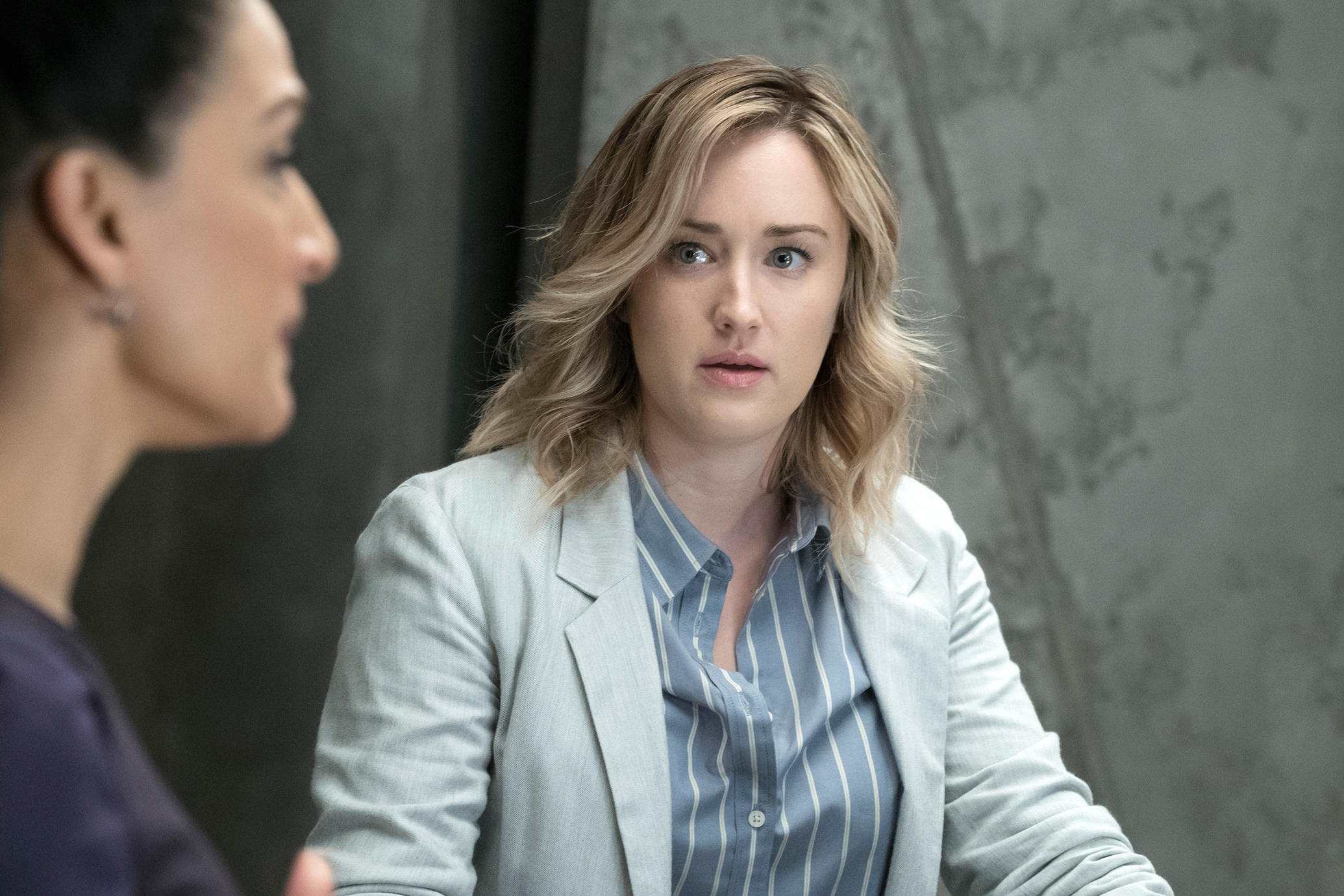
- Now, let’s get into the concept of this post “creating believable tension”. So, because this show is one of those that deals with conflicts of the moment, the plot goes something like this (from episode one to episode two): The bad brother has kidnapped the three main buddies of the hero and then sold them as slaves to Venezuela. Yeah, I wrote that with a straight face. So, ,they’re being kept in a prison cell in some deeply secret prison in Venezuela. And the bad guys tell the geek girl who was one of the captured, right after wheeling in a large bank sized safe: “You have one hour to open this safe, or I start killing your friends.” So, this geek girl who we just found out has been spending the last two years creating a Farmville app called Wizardville (or something like that) that she needs to crack this safe. In case you didn’t know it, because most of you are not computer programming experts, all computer programming experts are also experts in safe cracking, hacking of complex computer systems, satellite technicians, satellite reprogrammers (it’s just computer code, right?), experts in soil sample technology, aficianados of what type of dirt exists on the planet (including several variations of “dirt”), cell phone hacking, advanced surveillance systems, security camera technology and h
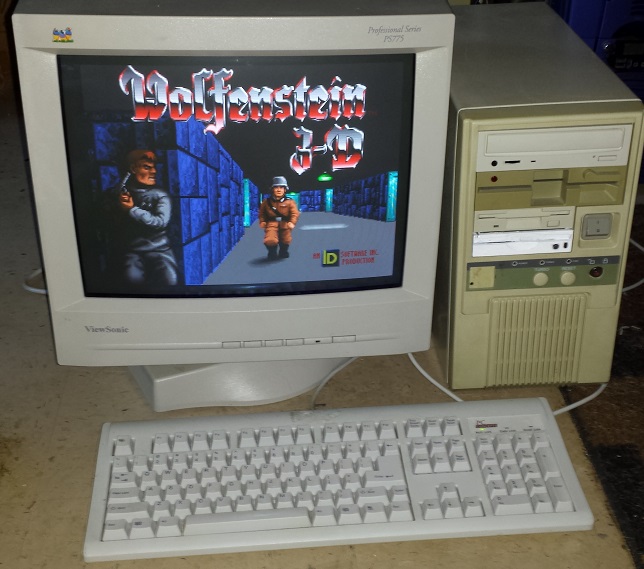 ow to crack it, and so many other areas of technology that I’ve lost count, although advanced number theory is also one of our areas of expertise. So, she cracks the safe, and in it we find what on first glance appears to be advanced computer technology that I suspect just might be a 386 computer, or possibly a Pentium 1 (translation: from about 1989).
So, they have this highly “advanced” computer that she is then told she has one hour to hack or everyone else dies (one an hour). The one thing they forgot to include in the scene was an actual monitor, so as I’m watching this, I’m thinking: “You know, even though I’m a programmer and supposed to know how to hack any computer system on the planet, even I would have a hard time cracking this one without a freaking monitor.” Just saying. But somehow she does, and when the bad guys reappear, a monitor magically appears on the desk that wasn’t in the room a few moments before. So, then we get to watch the start up on the computer as her advanced hacking skills are shown, and we see what looks a little more complicated than “Hello, World” starting on the screen, except they were smart enough to program instead of “Hello, World!” something similar to:
/////// dsfljasfdasjf /////// areafigaglahodf
////// =Verifiable Office System ///////////
////// *********************** ///////////
////////// Super Secret CIA Files ////////////
////////// Do Not Release To Anyone Without Top Secret Clearance //////////
Yeah, something like that.
6. The secret code, it turns out, turns off a super spy satellite network that controls a missile defense system that protects the entire USA. We find out we have this system because of a raid on a super secret warehouse, operated by two geeks, a typical geek guy and a super hot, would never date me in a million years, type of woman, who I immediately suspected was a bad guy (and not just because she would never date me in a million years, although that probably helped me to realize I should suspect her). Surprisingly, she was bad, and she was selling the code to, (let’s see…what enemies can we possibly use? The Russians? Naw, they’re so 1990s. Arabic terrorists? No, we always blame them. Spent the last two seasons kind of doing that already. The Chinese? Good choice, but we want to market this series to the largest population market on the planet, so we’re going to pass on that one. Okay, the North Koreans, cause a country that can’t afford to supply its citizens with even dirt for toilet paper would be the obvious one to pay millions of dollars for a computer code to hack the US secret satellite network). Okay, so it’s the North Koreans. And to make it worse, it’s revealed in the same episode that the NK military isn’t building a nuclear weapon but has built tons of them, including missiles that can reach the US, AND they’ve been constantly launching them on an almost daily basis but our super secret shield has been knocking them out of the sky. You’d think Trump would bother to mention this every now and then. Thanks, Obama! Anyway, so because they have the code, they’re going to knock out our defense network and launch everything at California. Why? I’m guessing cause it’s the only place they could find on a map before they wrote this script. But fortunately, as the satellites are knocked out one by one (in a count down that has geek girl saying: “99…73…65…hurry guys…52…40…we’re running out of time!…23…Oh no, I forgot to feed my gold fish…12…7…2! We’re running out of time!” Meanwhile, we’re watching a gun fight and karate battle with the hero guy and Jane Doe facing off against a room full of ninjas (or ninjas on their day off and wearing their lounge clothing), before they knock out the last one, and jump over the table and hit the big button marked “STOP THE NUKES FROM LAUNCHING!!!” Okay, it wasn’t marked that, but it probably should have been.
Those are mainly my biggest gripes with the episode, although I do have to point out one inconsistency because it just drove me nuts when it happened. The two heroes find the secret base in Venezuela (no, I don’t know how, unless there’s only one in Venezuela, or they did some kind of “we traced the signal of their Blipomatosphere and it was right at this location” that I just didn’t catch, but I’m not even worried about that. What did bother me is that they stole an enemy tank, drove it to the battle and saved the day. Even that wasn’t a problem for me, as problematic as that actually is. It’s when the hero said: “We won’t be able to go fast. Tanks don’t move fast.” And I realized right then and there not a single writer on their staff has ever been in , been near, been around, or watched a tank on television. Tanks aren’t slow. The reason people think tanks are slow is because in old movies where they saw them most often, the drivers went slow because it was filmed that way for dramatic effect. A tank is a super fast vehicle on the battle field, and I can tell you that infantry were quite often more scared of being run over at high speeds than they were from any guns from the tanks themselves. Hell, I can tell you a bunch of times where I almost got run over by tanks on my own side because they go so fast that you often don’t see them until they’re practically on top of you.
So, getting back to my point of this post. A huge problem of tension in fiction is making it believable. But at the same time, you have to make the scene strong enough that someone is going to want to keep reading.
I’m reminded of one of the stories often shared when someone starts out writing. In the early days of pulp fiction (not the movie, but the concept it’s based on), there was a period of serial fiction where a writer would produce a long story over a number of different issues of a magazine. To do this, he or she would create a cliffhanger. Those cliffhangers were designed to make you want to buy the next issue of the magazine and find out what happened as a result of the corner the author created. As a result, those cliffhangers would get more and more complicated (kind of like the detective fiction where the concept of the locked room came about…”how did the killer do it when the room was locked from the inside?”…similar concept. Any way, in order to keep selling these magazines, the audiences became more and more acclimated with the technique and demanded stronger and stronger cliffhangers. Which brings us to the story often told:
A writer created a cliffhanger where the protagonist was undergoing one hazard after another and then finally fell into a deadly pit that was more than 20 feet deep. The issue ended with “To be continue….” And people awaited the conclusion, wondering what great writing technique was going to be used to save this hero.
The next issue appeared. The author wrote something to the effect of: “Stuck in the pit, Dave (our hero) leaped out of it to safety. He then….”
As you might guess, readers were pretty pissed at the author for taking such a stupid short cut. Ever since then, it’s been referred to by a lot of names, but more often “The Writer’s Pit”, although I remember hearing it once recently and not a single person in the room had an idea what that name referred to. References tend to diminish in notoriety over time.
So, if you’re trying to build tension, it requires investing some time. The characters first off have to be believable. The days of superhero protagonists are not acceptable these days. Developing your character as a stereotype trope of Arnold Schwarzeneger might seem like a fun exercise, but people generally aren’t going to buy some of the very recent attempts at re-creating James Bond and giving him a different name, yet keep unbelievable attributes that people just don’t imagine one person being able to inhabit.
So, let’s look at a series like Blindspot. How would I have made it more believable?
- The hero needs to be grounded in reality. He could be a great FBI agent, but he’s not some special forces/intelligence agent/brilliant tactician/martial arts dabbling/no faults whatsoever. One or a few of those qualities, and it’s more believable.
- Eliminate all of the CIA agents on the team. It makes absolutely no sense.
- Put about ten scientific experts on the team. One person can’t possibly know as much information as geek girl seems to know and be incredibly hot at the same time. Not saying hot women can’t be geek girls, but no one is as smart as this woman is made out to be.
- Get actual computer experts to deal with some of the tech. Person of Interest and Mr. Robot do that really well. Emulate that example.
- Understand international politics and international politics a lot better, or at least stop trying to fool your audience and believing your audience is composed of complete idiots. If that’s the case, I’ve been watching the wrong show for the last three years.
- Stop with the characters lying to each other just to create drama. It serves no purpose. Right now (in episode 2) the male hero is lying to Jane Doe for absolutely no reason, and she just told him “Our relationship will last forever as long as we’re honest to each other”. His reply SHOULD HAVE been: “Wow, you’re right. By the way, your brother is starting to send me messages about your tattoos. I meant to tell you but we were so caught up in watching Game of Thrones that it totally threw my mind.”
Anyway, just my thoughts on how writing fiction can benefit from watching really bad fiction in what could otherwise be really awesome television.