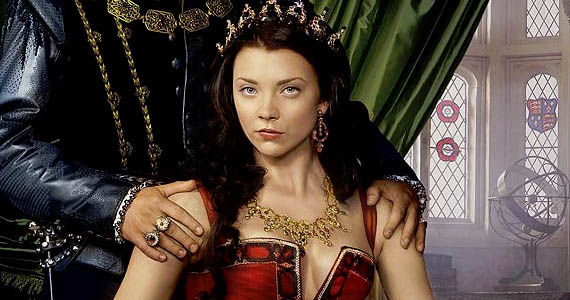
One of the more popular shows in America right now is Game of Thrones, which airs specifically on HBO. It’s a pretty decent show, has great acting and writing, and can definitely tell a story. Well, I could probably say that about most HBO shows that I’ve watched over the years, and that includes The Sopranos, Deadwood, Rome, True Blood and the Wire. These were all great shows.
One thing that distinguished most of these shows from regular network programming is that they were on HBO, and as a result, they could sometimes be a bit more risque than your usual show. This usually meant nudity, sexual situations, drug references and possibly violence (although violence is the one area that regular networks have little problem glorifying). But something changed over the years, and I think what has happened is that the programmers at HBO are now more interested in glorifying sex than in actually telling a story that involves sexual situations. I know that sounds like I’m saying the same thing, but I really think there’s something to this.
Let’s look at the time when this started to change. The show True Blood has always been a bit on the edge when it comes to sexual situations. However, a few seasons into its run, the story line, which used to be the center of the show (the underworld of the vampire universe) somehow turned into sex central, to where the main story seemed much more about who Sookie Stackhouse was going to fuck, or who amongst the rest of the cast was going to have sex with someone else. So they started introducing female on female sex, male on male sex, animal on human sex, animal on animal sex, hybrid animals on hybrid animals of different genders having sex, and don’t get me wrong but somewhere down the line I think they were experimenting with mermaids, fairies and werewolves. I’d say they kind of jumped the shark, but so far they haven’t tried to have sex with a shark yet. I imagine that’s in the next season.
Basically, what this has developed is a sense that HBO is on the edge when it comes to sex so that it’s treating it like the new violence variable that network programming used to do, and by that I mean that every season to television around the 1980s was designed to push the envelope on violence to see what they could get away with. HBO, having gone completely over the edge with violence in its shows, is now trying to push the very boundaries of sex with its series.
Last week, HBO crossed the line with Game of Thrones by going way overboard with rape. One of the main characters raped his sister near the dead body of her son in a very nonconsensual rape scene that the director Alex Graves, indicated was his favorite scene he’s ever done. The problem I perceive is that he’s so enamored with how he’s overstepped the boundary of decency that he believes that he’s taken the show (and the network) in a positive direction, when in fact he’s actually done the entire genre a complete disservice. There was a story a few weeks ago of a woman who was sued by an affiliate of HBO for refusing to do a topless sex scene. The commentary on that story from the readers is amazing, but I’ll let you read into that yourself. To sum up, basically people are upset at the actress because she signed a contract to appear naked and do sex for a television role.
My question is to ask why a sex scene is all that necessary to a particular story line. As a writer, I understand that sometimes sex is a necessary element to move a narrative along, but I can’t remember ever writing a sex scene because I started thinking “I really need to spice up this book”. And that’s the problem I think we’re running into because I believe a lot of the sex we’re seeing on the screen these days is just bad writing that takes the lazy way out of a plot device that they didn’t want to waste time trying to create. I remember once, in my earlier days of writing, where I actually found myself having to figure a way OUT of a sexual situation in one of my stories because I realized the sex would have been too easy to write for that scene, and I actually reached a far better place for the story by having the sexual situation avoided by the main characters (which brought a lot more drama to the moment than if they did the deed).
What I do know is that quite often when I’m watching a television show and it moves off into sex mode, I often find myself doing other things than watching the show because I find the “sex” in a television show to be very uninteresting. And it’s not because I’m a prude; I’m about as far away from that as possible. It’s because if I want to watch porn, I’ll watch porn. When I turn on the television set to watch drama, I want to watch drama, not ten minutes of young people trying to simulate copulation on the screen (or actually doing it, which is often even worse). I know there are some people who watch certain shows just in hopes of seeing some actress or actor naked, but I’m not one of them. Maybe when I was 13 and hadn’t seen all that many naked women in my time, but these days I need real narrative elements to get me going, and watching sex on the screen rarely does that for me.