Tag Archives: self-publishing

Remembering the days when writer groups used to actually service writers

Cancel-3

A year or so ago, I was a subscriber to Writer’s Digest, a magazine that has been around for a very long time and used to serve the purpose of helping wannabe writers become actual writers. When I was young, I used to tear through the pages of that magazine, reading the fiction process articles written by its editor back then, Lawrence Block. The tidbits and ideas that I received from that magazine used to be wonderful.

This was before the whole Internet revolution came and went. As we all know, the Internet made it so anyone could publish his or her book whenever he or she wanted (regardless of how ready it was), and the need for the mainstream publishers and reputable agents was no longer a necessity. If you understood the market that Writer’s Digest used to serve, you might notice that something has probably had to happen to the magazine as well. All of those people it was helping to train become professional writers are now out there making their own way, and they’ve done it without the need or desire to listen to intricate lessons of how they should learn to write and how to format manuscript pages. The need for a service that Writer’s Digest used to provide have become almost none.

Which means Writer’s Digest probably had to change as well. And unfortunately, what I’ve started to notice is that this magazine has begun to mass saturate my email with continuous “give us money and we’ll help you prepare your manuscript for publication”. Realizing that people no longer need the advice on how to get published, now I’m receiving never-ending offers to help me “prepare” a manuscript for publication. The last one was for a Writer’s Digest “service” that proofreads a manuscript and charges you by the page. The funny thing is: The editors who actually work on self-publishing works out there charge a whole lot less to do the full job than Writer’s Digest is offering to just a portion of the work required.

So, what this means is that another service has popped up that wants to separate the independents from their money under the guise of offering a necessary service. In the old days, this service used to be offered in the classified pages of WD, but now the magazine itself is in on the deal. And while I usually don’t jump on the criticism of WD, I am starting to notice that more and more “independent” services out there are trying to attract the self-publishers to do things that self-publishers have learned to do themselves. I’m talking about formatting services, book cover creators, full editing, line editing, feel of the story editing, punctuation editors, marketing promoters, “how to” books written by people who really haven’t figured anything out themselves other than how to charge people for “how to” books, and so many others. Now, some of those services I take advantage of, like book cover creators, because the people I work with are far better at doing it than I am. But what I’m also noticing is that a lot of bad book cover creators are also advertising their services. This goes back to a conversation I had with independent filmmaker Chris Penney (of DogByte Films), who in making independent films remarked that the people making money off of these films tend to be the organizations that provide services rather than the filmmakers themselves. I’m talking about the color correction people, the film editors, and all sorts of other fields that have sprung up to take advantage of the fact that there are a few visionaries out there trying to turn their ideas into something brilliant. My point is that this same mentality is now finally creeping into the independent book market, as there are people who realize that there’s gold in them thar hills and the gold is the people coming to mine for gold, not the gold itself.

And that’s the problem, in a nutshell. A lot of us are trying to make this business work, yet we’re constantly being inundated by people who are trying to make a quick buck off of us.
On to new projects

Last night, I finished the last touches of The Teddy Bear Conspiracy, and it’s now on sale on Kindle and will be on sale in paperback in the next few days (had one more run through the edit check and had to fix a couple of things before I could let it go one more time). Either way, the book is done, and it is now available for the masses to read, so hopefully you all enjoy it as much as I enjoyed writing it.

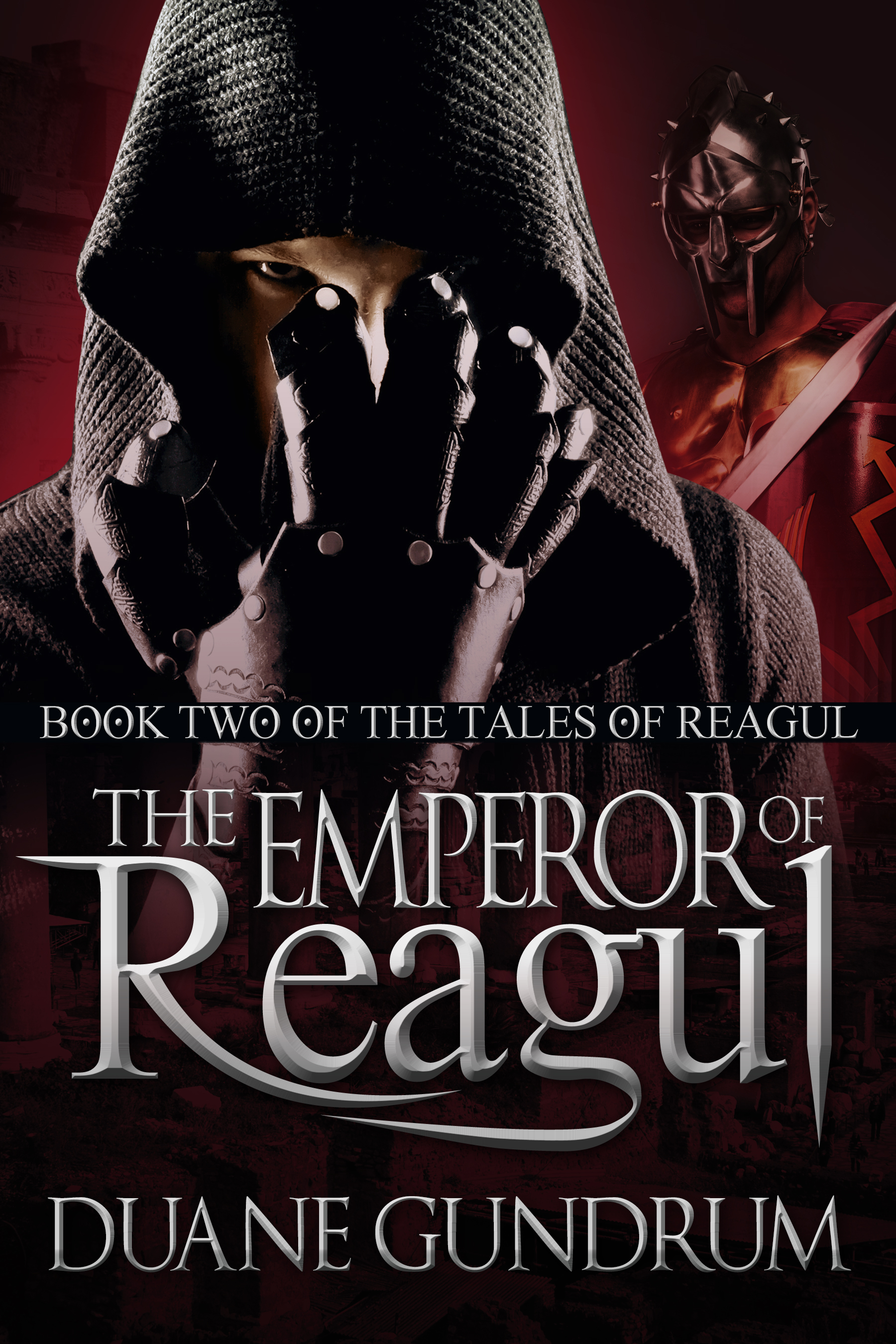
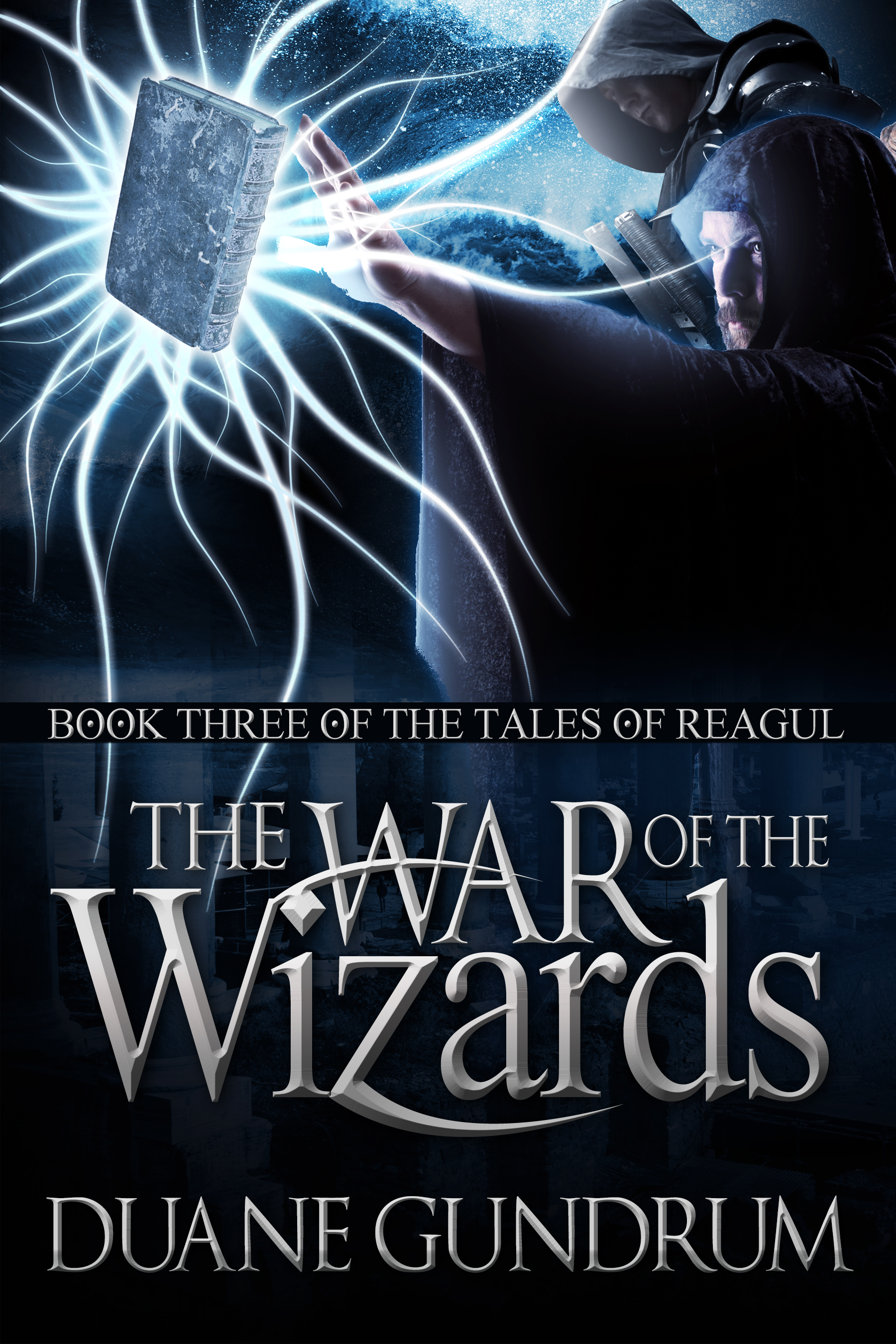
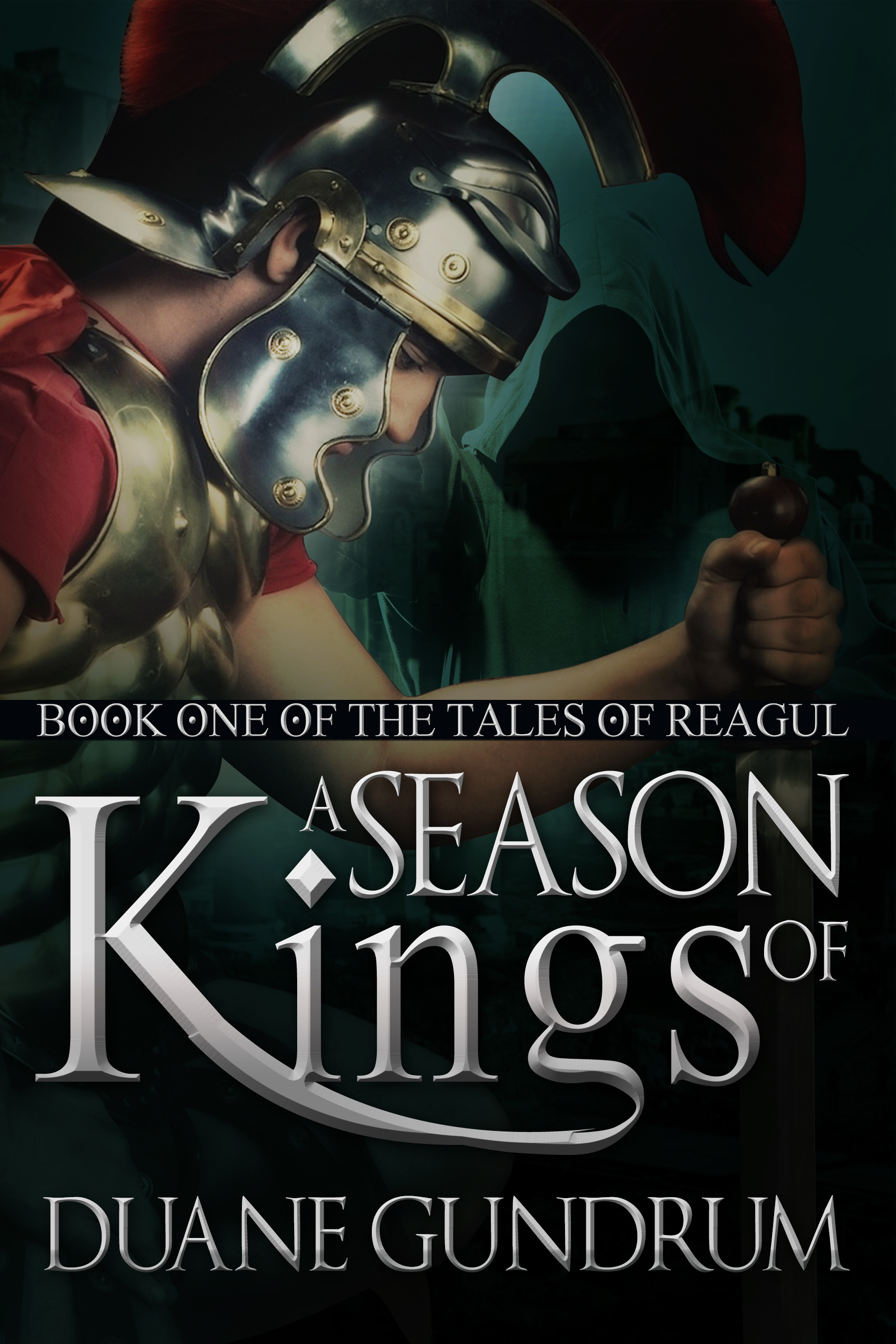
Which brings me to my next projects. Over the next few days, I have some outlining to do for my Haven project, and then I’ll be working on The Tales of Reagul, specifically book one, A Season of Kings.  With an aggressive schedule, I’m hoping to have these books released within the next month.

I’m starting to explore new ways of generating reviews, and Library Thing has become my new plaything. I put up ten digital copies of The Ameriad there last week, and then a few days ago, I put 100 copies of Leader of the Losers. Part of what drives a writer’s career these days is reviews, and I can’t even begin to explain how difficult those have been to come by. Which is shocking  because the books themselves have sold enough copies that you’d think they’d have lots of positive reviews, but they don’t. It’s like they’re completely overlooked by everyone, mainly because those who write me and say they loved the book never bother to leave a review on Amazon, which would make things so much more beneficial for someone like me. You know, someone who is still trying to get ANYONE to realize he’s actually publishing books.

Well, only two weeks (and one day) of work left in this job before I’m a full-time writer, and I’m really hoping this works out for the best. Right now, I’m not feeling so great about this decision, but it had to be done, which means it was meant to be, whatever that might actually mean in the greater scheme of things.

Let’s hope for the best.

The Evolution of Sales for a Self-Publishing Author

I recently spent some time analyzing how many sales I’ve had through Amazon. Keep in mind, this doesn’t count sales through other services (just Amazon). But what I discovered was kind of fascinating, because if you haven’t been paying attention to it, the information kind of sneaks up on you and tries to stab you in the back. Or at least jumps out from the shadows and says “boo!”.

For the record, I’ve been selling books on Amazon as ebooks since 2008. Granted, hardly a single one sold back then, but I was trying to sell one book (Thompson’s Bounty) way back then. Shortly after, Innocent Until Proven Guilty came along, and then a few years later, everything else sort of exploded into print. What’s interesting is that if you look at the numbers (and yes, most people know I’m a number crunching kind of guy), you’ll discover that in 2008, combined with 2009, I sold 9 copies of Thompson’s Bounty. And that’s it. In 2010, I sold 7 books, mixed between the first two I mentioned earlier. And then 2011, well, just kind of went nuts. I sold 181 books, spread out over 8 different titles. 2012 was a little less successful with 135 books sold. Strangely enough, 2013, of which we are only in June, has had 110 sales. Not counted were 77 sales that occurred just last month, so you can see that 2013 has already surpassed both 2011 and 2012, and we’re not even halfway through the year.

As for money, that’s increasing as well, which makes sense when you follow the number of sales.

The quandary for me in publishing has always been trying to figure out how to sell to more readers, or at least how to get readers to at least know my books exist. I wish I could say I’ve found the answer to that, but I haven’t yet. But I’m still searching, experimenting and performing ritual sacrifices to The Shania in hopes of figuring that out.

Anyway, not much of a post about the usual stuff, but as I rarely discuss the business side of the craft, I thought I would share this with you all (which by “all”, I obviously mean my two stuffed animals who make up my readership).

The book giveaway for The Ameriad

Last night, the book giveaway for The Ameriad finished on Goodreads. I’d like to think it was successful as 669 people requested the book, and now I have to send out 10 copies of it to the winners chosen by Goodreads. At the same time, 264 people added the book to their “to read” lists, although some of those people may have already taken that option before the contest, and there’s no guarantee that any of those people are ever going to read the book, as they may have just added it as a part of the contest. The interesting thing so far is that no copies have sold as a result of the contest SO FAR, which leaves me wondering about the usefulness of this marketing opportunity.

My next novel to be given away is Thompson’s Bounty: A Ship Out of Time, and it is at the very beginning of its contest at 50 entries and 16 people wanting to read it. Little by little, I’m wondering if this whole thing is even worth it, as the market seems very sided against a writer trying to make a living.

Problems inherent in trying to be a professional writer in a self-publishing world

Let’s face it. There are a lot of writers out there. And with Amazon and the Nook making it that much easier for anyone to hang out a shingle and say he or she is a writer, that means we’re going to see more and more of them out there, even if they’re still struggling to string two sentences together. But that’s not the focus of this post. The focus of this post is that because there are so many of us out there, there are also a lot of people out there who are quite willing to rip us off and separate us from our hard earned dollars.

Of course, it’s always been this way, except in the past it was a lot easier to spot the ones trying to take advantage of us. In the old days, a writer mainly had to worry about a couple of different entities, such as:

1. Vanity Publishers. These guys would tell you your book was great and that they wanted to publish it. Then they’d send you a bill for their trouble. They took advantage of the fact that young writers (meaning ones who haven’t been writing in the business for long…age is irrelevant) didn’t know that legitimate writers got paid by the publisher, not the other way around.

2. Charging Agents. When a writer was ready to get a “real” agent, he or she would query a whole bunch of them and hope something interested someone. Every now and then a lucky hit was made, except you’d then hear from some mid-level agent who you really didn’t know but figured they had to be legit to be in the Writer’s Digest Agent Book. And then they’d say that they’d either have to charge you to read your book (before becoming your agent) or charge you for their services (after becoming your agent). In the end, they’d never sell anything because they made their money fleecing young writers who didn’t know better.

3. Editors. Someone would invest in an ad in the back of Writer’s Digest, claiming to be an editor. They wouldn’t cheat you by not editing your work, but quite often you’d end up with an editor who knew less about grammar and spelling than you did.

So, fast forward a few years and now we’re in an era where writers are self-publishing their stuff, as the legacy publishers have practically imploded on themselves, trying to hold onto a business model that resembles the big music producers trying to hold onto the music industry. This has provided a whole bunch of new entrepreneurs to latch themselves onto the writing community. Here are some ones to keep in mind:

1. Book formatters. Formatting a book for an ebook venture is pretty easy. You just have to fail at it a few times first. These guys promise to do that work for you, and some of them are cheap enough to be worth it. But others charge hundreds of dollars and make it seem like your book will fail if you don’t use their services. Like I said, if you have done it a few times, you’re generally okay. For the lower charging ones, they might be completely worth it as it would save a writer a lot of time not having to worry about the packaging part of the paradigm.

2. Agents Who Pursue You. When you start to make it as a self-published writer, you start to experience these agents who claim they can do wonders for your sales. Yet, they know as much about sales as you do, or even less. Basically, they’re banking on you remembering that agents used to be important and hope you’ll buy into the fantasy that having an agent makes you somehow better off. An agent sells your work to a publisher. If you’ve already published it, chances are pretty good that they don’t have much to offer you. A marketing specialist might be worthwhile, but if that’s what you’re seeking and he calls himself an agent, chances are you’re wasting your time…and money.

3. Bad Cover Artists. I’m being very careful about how I address this one because there are some brilliant cover artists out there, and I have used a few of them because they’re just awesome. The ones to watch out for (and not use) are the ones who have just unwrapped their copy of Photoshop Professional (or Elements) and now thinks he or she can create great covers. A great cover artist works from concept, not from stock photos, which is how a lot of them operate. I use one cover creator who actually asks me a bunch of questions about the novel AND THEN starts to design concepts. She’s great at what she does. That’s what you seek, but they’re rare and hard to find.

4. People Who Claim to Know More Than They Know. This has been one of my pet peeves. There are some authors out there who attempt to gain sales by pretending to know information that they really don’t. A good example is the extremely best selling author Rob Eagar who wrote a book everyone kept recommending to me as “the book that will help you sell more books”. The book is titled, Sell Your Book Like Wildfire, and it is a great book if you write nonfiction. However, because of the realization that the larger market out there is the group of naïve people like me who are writers of fiction, he spends a great deal of time trying to give the impression that this book is JUST AS good for fiction writers. His premise is simple. You have to sell books that are worthwhile to people. In other words, that have value to them, so you have to find what makes your book valuable to them and sell that idea as your premise for your book. Unfortunately, that doesn’t work with fiction. As a matter of fact, the more I read of his book, the more I realized he hasn’t a clue about anything that deals with fiction. He’s a marketer who knows nonfiction, and that’s it. Unfortunately, he’s convinced a lot of writers of fiction out there that his book is worthy, and in MANY conversations I’ve had with other fiction writers, we’ve all pretty much come to the same conclusion. Fiction books are about stories and storytelling, not about finding something useful for a reader. Sure, you can spin that in some way that might pretend to work, but in reality, you aren’t going to interest readers of fiction unless you have a really good story to tell, and you have an engaging way to do it. You’d get a lot more value from someone teaching you how to create a flashy cover for your book than you would from this book. Again, I was fooled by the desire to find an easy way to success.

That’s a general idea of some of the things to watch for in today’s writing environment. Drop me a line (or add a comment) if you come up with any yourself.

DIY Publishing is a Lot of Work

Over the last few weeks, I’ve been working on my self-publishing tasks. I can’t even begin to tell you how much work this has entailed. I know most people don’t really care, but as a writer, I’m finding myself with very little time to write because most of my time is spent preparing manuscripts, designing and redesigning covers, and trying to conduct social networking in order to somehow constitute a tiny bit of a writing career. I never realized how much work this would actually be.

Not surprisingly, a lot of DIY writers are learning this exact same thing themselves because the publishing industry has pretty much abandoned the average writer, mainly going after well known entities (who don’t really need the publishing industry because they’ve already made it) or celebrities who shouldn’t be writing books in the first place. The rest of us are struggling just to see if we can somehow make a connection that gets someone to read something we have to write.

Which, as I’ve hinted, makes it that much harder to sit down and write. Recently, I released Destiny on Kindle and the Nook. It’s an interesting book that I created a decade and a half ago, yet it started a series of stories that have been very much a part of my continuous writing career. While the book takes place around the Year 3000, the series of books and stories that follow it actually take place around the time of the Roman Empire, slowly moving their way to the Year 3000. It’s kind of an interesting arc that tells an epic adventure of the planet Reagul, where a transplanted group of Romans live out their future. It also tells the story of the sorceror Sarbonn, who you might realize, has been a part of my writing for a very long time now. That character sets the tone for the story that takes place on Reagul long after his death, as he spent most of his life fortelling the future events of the planet, including setting the stage for what would eventually happen in the novel Destiny.

I’ve probably published 20 short stories that are all about the land of Reagul, even though most of the editors at that time probably had no idea they were publishing something that was part of a series of related, connected adventures. So, it’s somewhat interesting and fascinating for me to be able to keep revisiting this world with future writings. Now, if I just had more time to sit down and write.

Anyway, not much more to report, but wanted to at least let you all know I’m still chugging along, trying to get the volumes of stuff out there. Why? Not sure. But seems like the right thing to do.